
The “Poet Who Was Guided Through Paradise” Crossword Clue: A Deep Dive

Dante Alighieri‚ the famed Italian author‚ perfectly fits this crossword description. His epic poem‚ Divine Comedy‚ details a journey through Hell‚ Purgatory‚ and ultimately‚ Paradise—guided by Virgil and Beatrice.
Understanding the Clue’s Context
The crossword clue “Poet Who Was Guided Through Paradise” is deliberately evocative‚ aiming to trigger associations with epic literature and spiritual journeys. It doesn’t simply ask for a poet; it specifies one connected to a guided ascent to a heavenly realm. This contextual layering is typical of well-crafted crossword clues‚ designed to be challenging yet solvable with a bit of thought and literary knowledge.
The phrase “guided through paradise” is a direct allusion to Dante’s Divine Comedy‚ specifically the Paradiso section. Understanding this connection is key to unlocking the answer. The clue relies on the solver recognizing the prominent motif of a guided journey within a specific work of literature. It’s not about any poet who wrote about paradise‚ but one who experienced it—within the narrative of his most famous work—with the assistance of a guide.
Crossword constructors often employ this technique of referencing specific plot points or characters to create a more engaging and rewarding solving experience. The clue’s success hinges on the solver’s familiarity with classic literature and their ability to decipher the subtle hints embedded within the wording.
The Core Answer: Dante Alighieri
Dante Alighieri (1265-1321) is unequivocally the correct answer to the “Poet Who Was Guided Through Paradise” crossword clue. His masterpiece‚ the Divine Comedy‚ is a cornerstone of Italian literature and a foundational work of the Western canon. The poem recounts Dante’s allegorical journey through the three realms of the afterlife: Inferno (Hell)‚ Purgatorio (Purgatory)‚ and Paradiso (Paradise).
Crucially‚ Dante isn’t self-guided in Paradiso. Initially‚ the Roman poet Virgil leads him through Hell and Purgatory‚ representing human reason. However‚ to enter Paradise‚ Dante requires a more spiritual guide: Beatrice‚ representing divine love and faith. It is this guided ascent‚ specifically through Paradise with Beatrice‚ that directly answers the clue.
Dante’s full name is Durante di Alighiero degli Bellincioni. He was a major figure not only in literature but also in the political landscape of Florence during his time‚ experiencing exile which profoundly influenced his writing. His work continues to inspire artists‚ writers‚ and thinkers centuries later‚ solidifying his place as a literary giant.
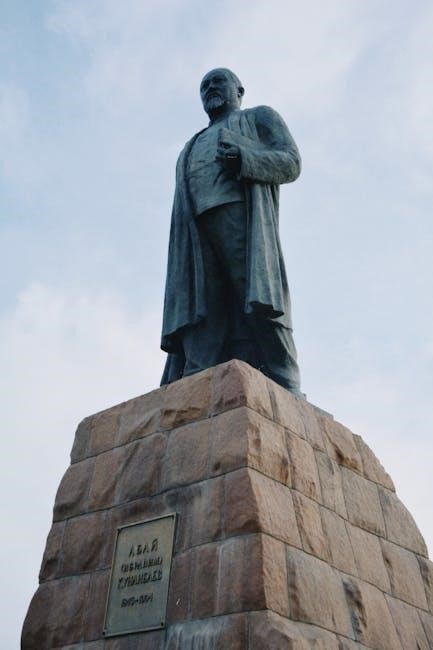
Dante’s Life and Background
Dante Alighieri‚ born in Florence around 1265‚ navigated a tumultuous political climate; His exile significantly shaped his worldview and fueled the creation of his iconic Divine Comedy.
Early Life and Education
Dante Alighieri’s early life‚ shrouded in some historical ambiguity‚ began in Florence‚ Italy‚ around 1265. Belonging to a noble‚ though not particularly wealthy‚ family‚ his formal education remains somewhat unclear‚ though it’s widely accepted he received a substantial grounding in classical literature. He likely studied at home with tutors and possibly attended schools run by religious orders.
His intellectual development was profoundly influenced by the works of Roman poets like Virgil – a crucial figure in The Divine Comedy as Dante’s guide through Inferno and Purgatorio – and classical philosophers. He immersed himself in the writings of Cicero and other prominent thinkers of antiquity. This early exposure to classical thought laid the foundation for his sophisticated poetic style and philosophical inquiries.
Beyond formal studies‚ Dante’s upbringing within Florentine society exposed him to the vibrant political and cultural landscape of the time. He developed a keen interest in rhetoric and poetry‚ skills he honed through participation in literary circles and the composition of his own verses. These formative years were essential in shaping the intellectual and artistic genius that would later define his legacy.
Political Exile and Its Impact
Dante Alighieri’s life took a dramatic turn in 1302 when he was exiled from Florence due to his political affiliations. Involved in the conflict between the Guelphs and Ghibellines – and further divided within the Guelphs themselves – Dante supported the White Guelphs‚ who opposed papal influence. When the Black Guelphs seized power with papal backing‚ Dante was falsely accused of corruption and sentenced to exile.
This exile proved profoundly impactful‚ shaping both his life and his literary output. Forced to wander Italy‚ he experienced firsthand the political fragmentation and moral decay of the era. This period of displacement fueled his disillusionment with Florentine politics and deepened his reflections on justice‚ power‚ and the human condition.
The exile directly influenced The Divine Comedy. It provided the impetus for a sweeping allegorical journey through the afterlife‚ allowing Dante to critique contemporary political figures and societal ills. The poem became a vehicle for expressing his grief‚ anger‚ and ultimately‚ his vision for a more just and harmonious world. Without exile‚ the Comedy‚ as we know it‚ likely wouldn’t exist.
Influences on Dante’s Work
Dante Alighieri’s literary landscape was richly shaped by a confluence of philosophical‚ theological‚ and literary traditions. Classical authors like Virgil‚ who serves as Dante’s guide through Hell and Purgatory in The Divine Comedy‚ were paramount. Virgil’s epic poem‚ the Aeneid‚ provided a structural and stylistic model for Dante’s own journey.
Medieval Scholasticism‚ particularly the work of Thomas Aquinas‚ deeply influenced Dante’s theological framework. Aquinas’ synthesis of Aristotelian philosophy and Christian doctrine provided a rational basis for Dante’s understanding of God‚ morality‚ and the universe. Furthermore‚ courtly love poetry‚ popularized by poets like Guido Cavalcanti‚ informed Dante’s portrayal of love‚ particularly his idealized depiction of Beatrice.
Provençal troubadour poetry‚ with its emphasis on refined language and emotional intensity‚ also left its mark. Dante’s early works‚ like La Vita Nuova‚ demonstrate a strong influence from this tradition. These diverse influences‚ blended with Dante’s personal experiences and political convictions‚ culminated in a uniquely powerful and enduring literary vision.

The Journey Through the Spheres
Dante’s ascent through the celestial spheres‚ guided by Beatrice‚ represents a spiritual purification. Each sphere embodies a planet and a corresponding virtue‚ culminating in divine enlightenment.
The Celestial Hierarchy
Dante’s Paradise meticulously outlines a complex celestial hierarchy‚ deeply rooted in medieval cosmology and Ptolemaic astronomy. The universe‚ as Dante envisioned it‚ isn’t a void but a series of concentric spheres‚ each housing a different order of angels and representing a planet known at the time.
Beginning with the Moon‚ the lowest sphere‚ Dante ascends through Mercury‚ Venus‚ the Sun‚ Mars‚ Jupiter‚ Saturn‚ and finally‚ the fixed stars. Each sphere is governed by a different angelic order – from Angels of the Moon to Seraphim in the highest reaches. These angels aren’t merely observers; they actively participate in the harmonious movement of the spheres‚ reflecting God’s perfect order.
The arrangement isn’t arbitrary. The closer a sphere is to Earth‚ the more imperfect its inhabitants. As Dante rises‚ the souls he encounters become increasingly virtuous‚ mirroring the increasing purity of the spheres themselves. This hierarchical structure emphasizes the journey towards divine perfection and the inherent order within God’s creation‚ a cornerstone of Dante’s theological worldview.
The Empyrean: God’s Abode
Beyond the physical spheres lies the Empyrean‚ Dante’s vision of God’s eternal dwelling – a realm of pure light and boundless love. Unlike the structured spheres below‚ the Empyrean exists outside of time and space as we understand them‚ representing ultimate perfection and the cessation of all earthly striving.
Here‚ Dante witnesses the immense Rose‚ a symbolic representation of Heaven‚ with countless petals formed by the souls of the blessed. These souls aren’t simply static figures; they exist in a state of ecstatic contemplation‚ eternally gazing upon God. The arrangement within the Rose isn’t random‚ but reflects the varying degrees of beatitude achieved through earthly virtue.
Dante’s attempt to comprehend the divine vision is ultimately limited by human capacity. He experiences fleeting glimpses of God’s glory‚ described as a point of intense light‚ but full understanding remains beyond his grasp. The Empyrean signifies the culmination of the soul’s journey‚ a state of perfect union with the divine‚ and the ultimate reward for a life lived in faith and righteousness.
Themes of Love‚ Faith‚ and Redemption
Central to Dante’s Divine Comedy are the interwoven themes of love‚ faith‚ and redemption. Divine love‚ emanating from God‚ is the driving force behind the entire cosmic order and the ultimate goal of the soul’s journey. This love isn’t merely sentimental; it’s a powerful‚ transformative force that compels creation and offers salvation.
Faith‚ particularly in God’s grace‚ is essential for navigating the challenges of earthly life and achieving redemption. Dante portrays various levels of faith‚ from the flawed beliefs that lead to suffering to the unwavering devotion that unlocks eternal bliss. The poem emphasizes the importance of recognizing one’s own sinfulness and seeking forgiveness.
Redemption isn’t simply a passive gift; it requires active repentance and a commitment to virtuous living. Throughout his journey‚ Dante encounters souls undergoing purification‚ demonstrating the arduous process of overcoming sin. Ultimately‚ the Comedy offers a hopeful message: through faith and love‚ even the most fallen soul can find redemption and attain eternal life in Paradise.
POET Bioprocessing & The Clue’s Misdirection
POET‚ a biofuel company‚ frequently appears in search results for “poet‚” creating confusion. This modern association distracts solvers from the intended answer: Dante Alighieri‚ the classic Italian poet.
POET: A Modern Biofuel Company
POET (originally Poet Energy) is a leading producer of biofuel and bioproducts‚ headquartered in Wichita‚ Kansas. Founded in 1987‚ the company has grown to operate numerous bioprocessing facilities across the United States‚ consuming millions of bushels of corn annually. They are dedicated to innovation in renewable fuels and sustainable practices.
POET’s operations extend beyond ethanol production to include high-quality livestock feed and‚ increasingly‚ carbon capture and sequestration technologies. Their “POET Pure” division focuses on CO2‚ dry ice‚ and purified alcohol production‚ showcasing a commitment to diversifying bioproduct offerings. They actively engage with producers‚ offering tools to estimate carbon intensity scores‚ supporting sustainable agriculture.
As of January 1‚ 2026‚ POET offers internships designed to provide hands-on experience in the biofuel industry. The company emphasizes community involvement‚ creating jobs and boosting local economies around its facilities‚ like the Chancellor‚ Iowa plant employing approximately 60 people. POET’s presence online‚ however‚ often leads to its name surfacing when individuals search for information related to the “poet” referenced in the crossword clue‚ causing unintentional misdirection.
The Connection (or Lack Thereof) to Dante
The link between POET‚ the biofuel company‚ and Dante Alighieri‚ the “poet who was guided through paradise‚” is purely coincidental‚ stemming from the shared use of the word “Poet.” There is no historical or thematic relationship between the two entities. The modern company’s name derives from its founders’ vision for a progressive‚ optimistic energy future – a metaphorical “poetry in motion” – rather than a direct homage to the Italian Renaissance writer.
The frequent appearance of POET in search results for the crossword clue is a classic example of search engine ambiguity. The algorithm recognizes the keyword “poet” and presents relevant results‚ regardless of context. This leads solvers down a digital rabbit hole‚ initially confusing them with information about biofuel production in Kansas and beyond.
POET’s extensive online presence‚ including its website detailing locations‚ contact information‚ and corporate initiatives‚ further amplifies its visibility in search rankings. The company’s active recruitment efforts and community engagement contribute to a robust digital footprint‚ inadvertently overshadowing the literary figure at the heart of the crossword puzzle.
Why POET Appears in Search Results
POET’s prominence in search results for the “poet who was guided through paradise” clue is a direct consequence of Search Engine Optimization (SEO) and keyword matching. The term “POET” is central to the company’s branding and appears repeatedly across its website‚ press releases‚ and online profiles. This high frequency signals relevance to search engines like Google.
Furthermore‚ POET’s substantial online presence – encompassing multiple facilities (like Chancellor‚ KS)‚ a DC office‚ and detailed information on biofuel production – creates a significant digital footprint. The company actively publishes content about its operations‚ internships‚ carbon intensity scoring tools‚ and community involvement‚ all contributing to higher search rankings.
The ambiguity of the word “poet” itself plays a crucial role. Search algorithms struggle to discern the intended meaning – a literary figure versus a corporate entity – without further context. Consequently‚ POET’s commercially-focused content often surfaces alongside answers related to Dante Alighieri‚ frustrating crossword enthusiasts. The company’s consistent online activity simply outranks the historical references.
Crossword Solving Strategies
Consider “poet” as having multiple meanings; think literary figures first. Utilize letter patterns from intersecting clues. Common clues involve authors and their famous works‚ aiding deduction.
Considering Multiple Meanings of “Poet”
The crossword clue “Poet Who Was Guided Through Paradise” presents a fascinating challenge because the word “poet” itself holds multiple layers of meaning. While the immediate association is with a writer of verse‚ a solver must broaden their perspective. The clue doesn’t explicitly demand a modern poet; it leans towards historical literary figures.

Thinking beyond contemporary poets is crucial. The phrase “guided through paradise” is a significant indicator‚ strongly suggesting a narrative work detailing such a journey. This steers the solver away from poets known for sonnets or lyrical pieces and towards those who authored epic‚ allegorical poems.
Furthermore‚ consider that “poet” can sometimes be a descriptor applied loosely to individuals celebrated for their artistic expression‚ even if their primary medium isn’t strictly poetry. However‚ in the context of a crossword‚ a literal interpretation is usually favored. Therefore‚ focusing on renowned poets with established bodies of work is the most effective strategy. The clue’s specificity—”guided through paradise”—narrows the field considerably‚ pointing towards a poet whose work prominently features a journey to the afterlife.
Using Letter Patterns and Cross-References
Successfully tackling the “Poet Who Was Guided Through Paradise” crossword clue often hinges on leveraging existing letter patterns and cross-references within the grid. Knowing the length of the answer is paramount; a typical name like “Dante” suggests a five-letter solution‚ immediately narrowing possibilities.
Intersections with already completed words are invaluable. If‚ for example‚ the third letter is known to be ‘N’‚ this drastically reduces the potential poets fitting the clue. Cross-referencing with other clues can also provide indirect hints. A clue relating to Italy‚ for instance‚ subtly points towards Italian literary figures.
Consider common crossword conventions. Names often appear‚ and historical figures are frequent subjects. Vowel-heavy names are also more common than those dominated by consonants. Utilizing a crossword solver tool can help identify potential matches based on known letters. However‚ relying solely on these tools can hinder the satisfaction of solving the puzzle independently. The interplay between the clue’s meaning and the grid’s structure is key to unlocking the answer.
Common Crossword Clue Types
The “Poet Who Was Guided Through Paradise” clue exemplifies several common crossword techniques. It’s primarily a definition-based clue‚ requiring knowledge of Dante Alighieri’s work and biographical details. However‚ it also incorporates an element of indirectness; the clue doesn’t simply ask “Author of the Divine Comedy‚” but frames it as a journey‚ prompting a more thoughtful approach.
Misdirection is frequently employed. While “poet” seems straightforward‚ the “guided through paradise” portion is crucial. This isn’t about any poet‚ but specifically one whose work depicts such a journey. Cryptic clues‚ though less common for this type of answer‚ sometimes use puns or wordplay.
Abbreviation clues (e.g.‚ “Dante (5)” indicating a five-letter answer) are also prevalent. Recognizing these signals is vital. Finally‚ fill-in-the-blank style clues‚ though rare for proper nouns‚ occasionally appear. Understanding these common types equips solvers to approach diverse clues strategically and efficiently‚ ultimately leading to a completed puzzle.
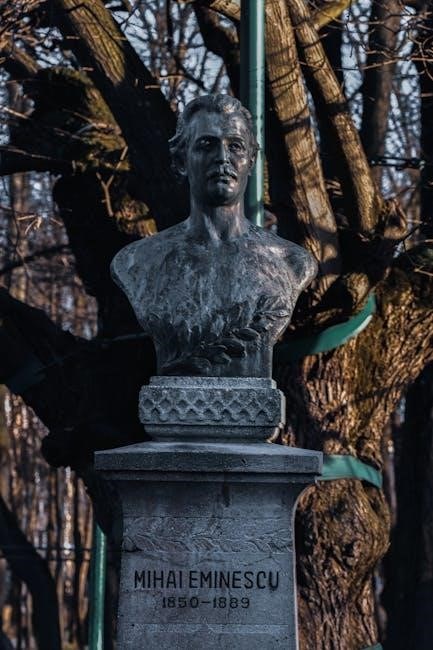
Dante’s Lasting Legacy
Dante Alighieri’s influence resonates through literature and art‚ solidifying his place in the Western canon. His Divine Comedy continues to inspire‚ even appearing in crossword puzzles today!
Influence on Literature and Art
Dante Alighieri’s impact on subsequent literature is immeasurable. His masterful use of allegory‚ symbolism‚ and vivid imagery profoundly influenced writers like Geoffrey Chaucer‚ John Milton‚ and T.S. Eliot. Chaucer’s Canterbury Tales directly echoes Dante’s narrative structure and characterization‚ while Milton’s Paradise Lost draws heavily from the cosmological framework presented in the Divine Comedy.
Beyond literature‚ Dante’s work has inspired countless artists across various mediums. Renaissance painters such as Sandro Botticelli and Gustave Doré created iconic visual interpretations of scenes from Inferno and Paradiso‚ capturing the poem’s dramatic intensity and spiritual depth.
The themes explored in Dante’s epic – love‚ faith‚ redemption‚ and the human condition – continue to resonate with artists today. His work has been adapted into operas‚ ballets‚ and even modern video games‚ demonstrating its enduring cultural relevance. The very structure of the three realms – Hell‚ Purgatory‚ and Paradise – provides a compelling narrative framework that artists frequently revisit and reimagine.
Dante’s Place in the Western Canon
Dante Alighieri firmly occupies a central position within the Western literary canon‚ considered one of the greatest poets of all time. His Divine Comedy is not merely a cornerstone of Italian literature but a foundational text for Western thought and culture. The poem’s exploration of theological‚ philosophical‚ and political themes established a new standard for epic poetry.
Dante’s innovative use of the vernacular Tuscan dialect elevated it to a literary language‚ shaping the development of the modern Italian language. His work bridges the medieval and Renaissance periods‚ embodying both scholastic tradition and emerging humanist ideals.
Scholars continue to analyze and interpret the Divine Comedy‚ uncovering new layers of meaning and relevance. Dante’s profound understanding of human psychology‚ coupled with his masterful poetic skill‚ ensures his enduring appeal. He represents a pivotal moment in Western intellectual history‚ influencing generations of writers‚ artists‚ and thinkers‚ solidifying his place as a literary giant.

Resources for Further Exploration
Explore scholarly articles and books detailing Dante’s life and work. Websites‚ documentaries‚ and visual guides offer deeper insights into the Divine Comedy and its enduring legacy.
Scholarly Articles and Books
Delving into Dante Alighieri’s world requires robust academic resources. For a comprehensive overview‚ consider “Dante: A Life” by Robert Hollander‚ offering a detailed biographical account. “Dante’s Divine Comedy: A Guide for the Pilgrim” by Stephen Batty provides invaluable context for navigating the complex layers of the Commedia.
Scholarly articles abound in journals like Dante Studies and The Journal of Medieval and Renaissance Studies. These publications offer nuanced interpretations of Dante’s poetry‚ political thought‚ and theological influences. “The Cambridge Companion to Dante”‚ edited by Rachel Jacoff‚ is an excellent collection of essays by leading Dante scholars‚ covering various aspects of his work.
Furthermore‚ exploring works on medieval Italian history and philosophy will enrich your understanding. “The Portable Dante”‚ translated by Paolo Palazzoli‚ provides the complete text of the Divine Comedy alongside helpful notes and essays. Don’t overlook critical analyses focusing on the symbolism and allegorical meanings embedded within Dante’s masterpiece‚ revealing the depth of his poetic genius.
Documentaries and Visualizations
Visualizing Dante’s Divine Comedy can greatly enhance appreciation for its intricate cosmology and allegorical journey. Several documentaries attempt to bring this epic poem to life. Look for “Dante’s Inferno‚” a visually stunning exploration of the first cantica‚ often employing dramatic recreations and expert commentary.
While a direct documentary specifically addressing the “Poet Who Was Guided Through Paradise” crossword clue is unlikely‚ resources focusing on the Divine Comedy are plentiful. BBC’s “Dante” offers a biographical overview and analysis of his work. Numerous animated visualizations depict Dante’s journey through Hell‚ Purgatory‚ and Paradise‚ offering a spatial understanding of his imagined realms.
Online resources‚ like interactive maps of the Inferno and Paradiso‚ provide immersive experiences. Searching for “Divine Comedy visualization” on platforms like YouTube reveals numerous fan-created projects and scholarly presentations. These resources help bridge the gap between the textual complexity and the vivid imagery inherent in Dante’s poetic vision‚ making the poem more accessible.